.webp)


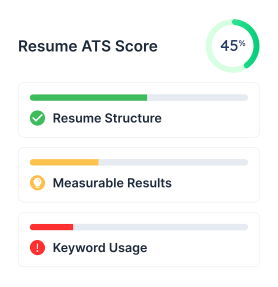
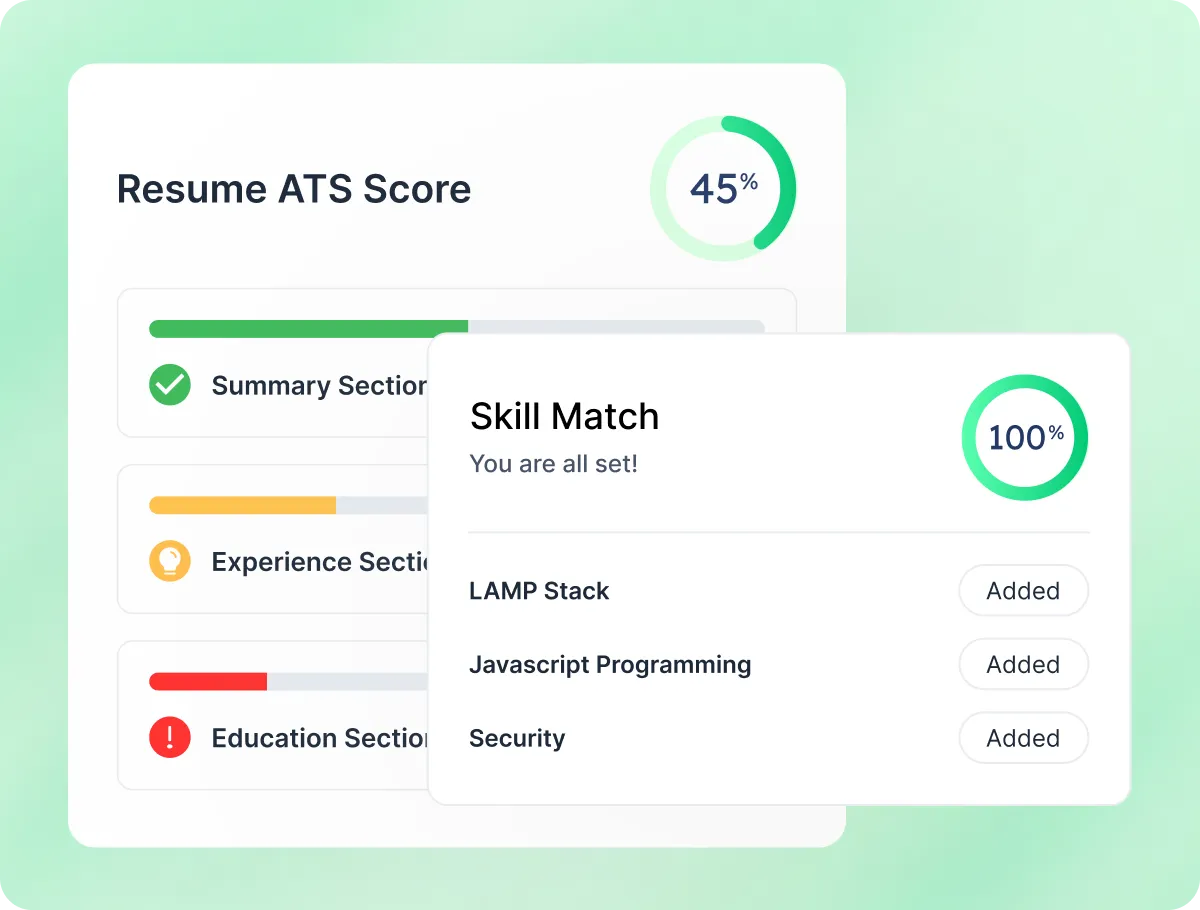
It shows how well your resume can be parsed and understood by the software recruiters use to screen candidates before a human sees it. It's based on your formatting, layout and structure. A higher score means fewer chances of getting filtered out before anyone reads what you've actually written.
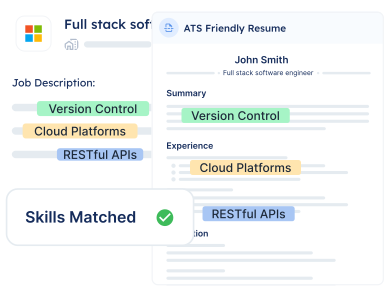
Your ATS score shows how well your resume's formatting and structure let it get parsed correctly, which determines whether it gets through the company's initial filtering system. Your skill match score shows how well your experience and skills are presented to line up with the job's requirements, which determines how much you stand out once a person actually reads it.
No, you can start with just your resume and get an ATS score right away. To find out how you stack up against a specific role, add its job description and the checker compares the two and gives you a skill match score.
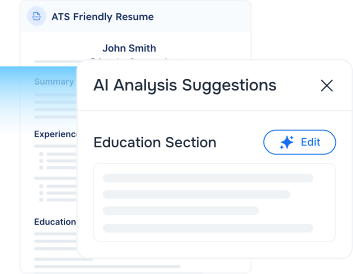
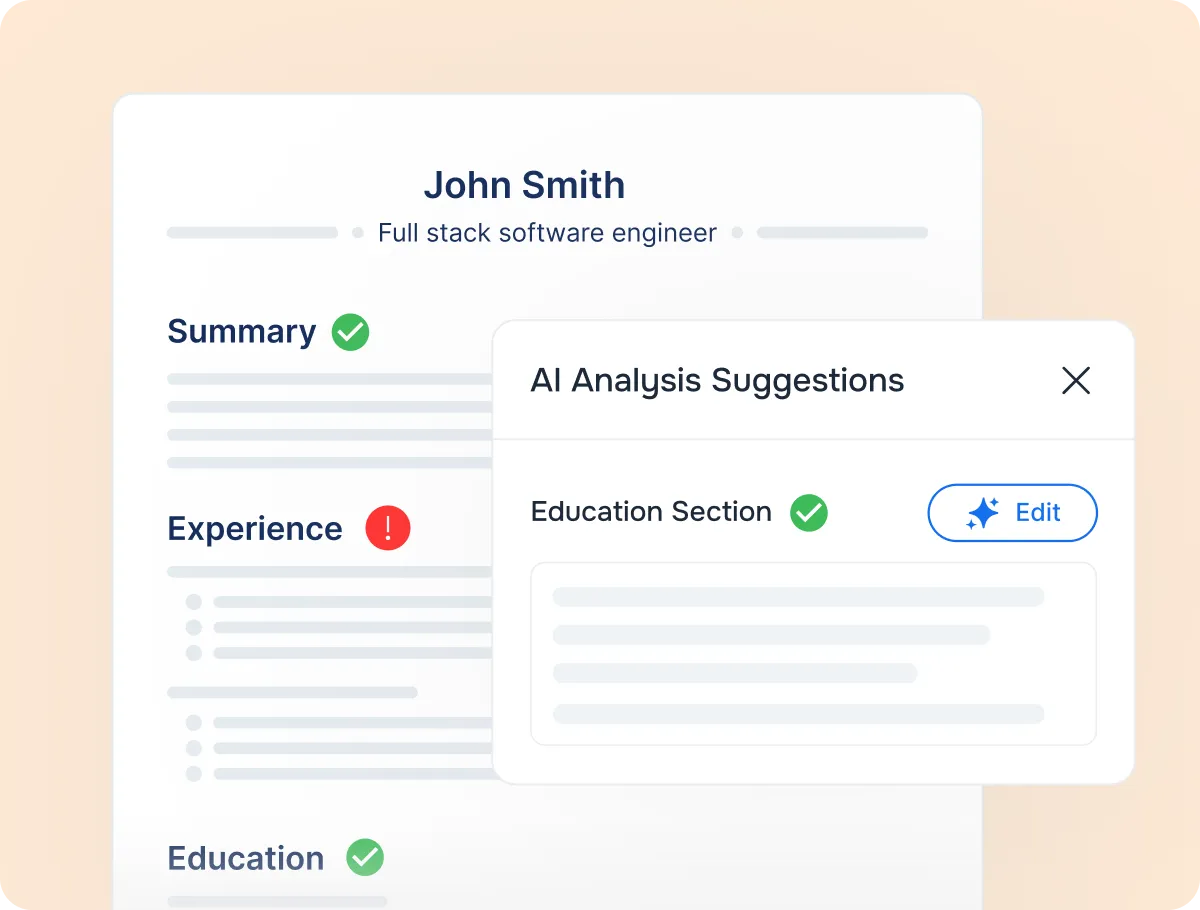
Yes. You'll get specific suggestions tied to each section of your resume, covering formatting, missing keywords and wording that's underselling your experience. Each suggestion points to the exact part of your resume it applies to.
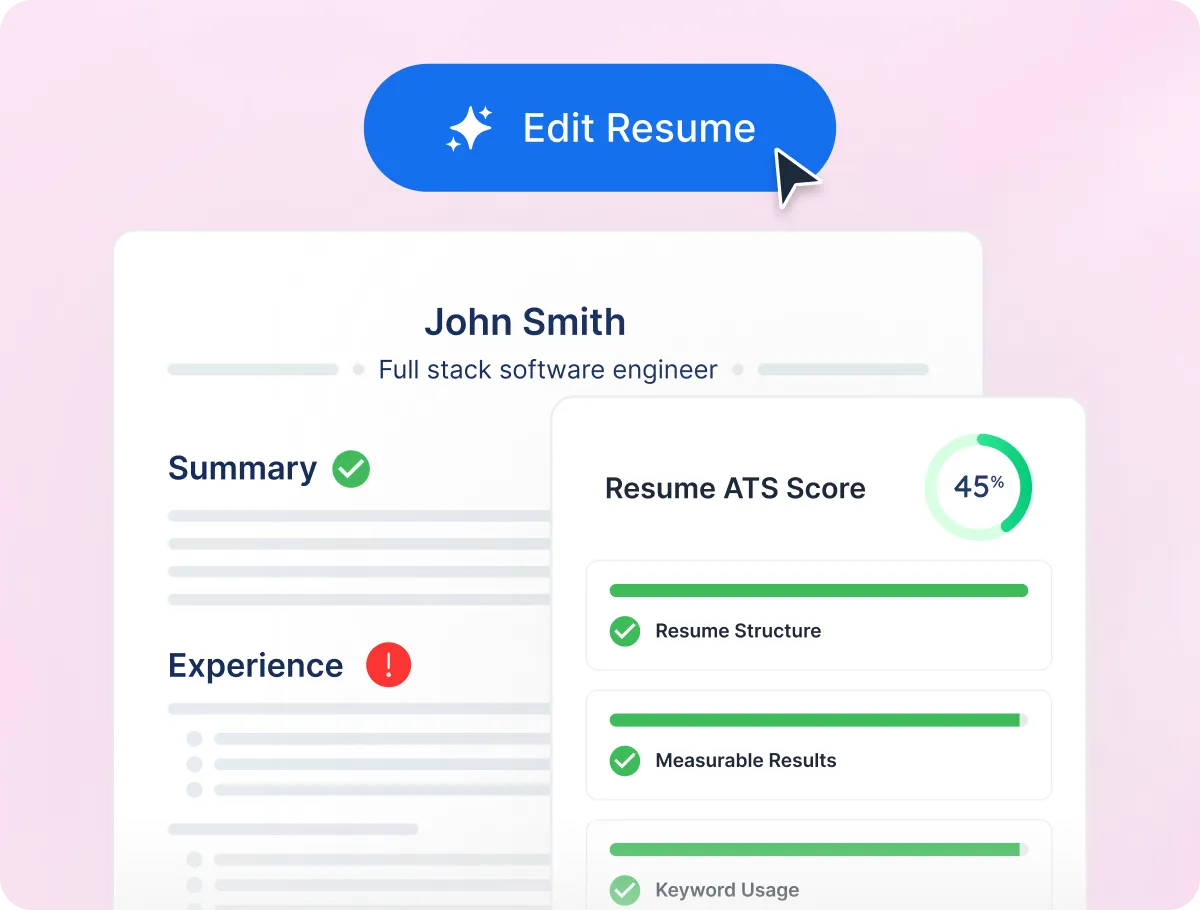
Yes. Careerflow's built-in AI helps you rewrite weak bullet points and apply fixes directly, so you're not left guessing how to act on the feedback. Make the edits, and watch your scores update in real time.
Yes, you can, but don't have to. Careerflow's built-in editor shows suggestions in one pane and your resume in another, so you can apply changes and watch your scores update as you go. Re-uploading works too, but the built-in editor helps skip that step entirely.
Yes. Your first resume check (ATS score, skill match score and feedback) is free. Upgrading to a paid plan (starting at $8.99/week) unlocks more in-depth guidance and AI-assisted fixes, along with unlimited resume checks, edits and tailoring.